
Let me just say it... taking my mother-in-law to the eye doctor was ALWAYS an adventure!
As a caregiver for Mom while she lived with dementia, I can tell you that no two eye appointments ever looked the same. Sometimes we were there because she had lost her glasses (AGAIN... and if you’re a caregiver, you’re nodding right now!) Other times we’d noticed she was squinting at the newspaper or giving up on reading altogether. Either way, one thing was guaranteed: medical appointments made her NERVOUS.
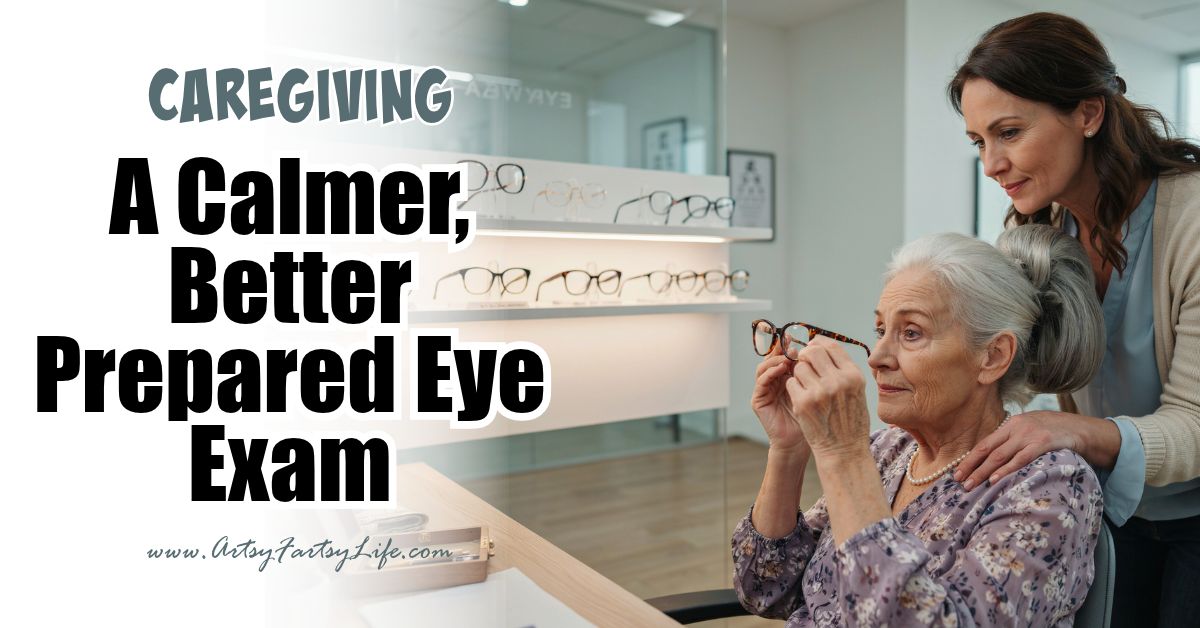
And honestly? They made me a little nervous too.
Because here’s the thing nobody tells you. An eye exam for an adult who can answer questions, remember symptoms, and follow instructions is one thing. An eye exam for someone you’re caregiving for, especially someone with memory loss, is a COMPLETELY different experience. So let’s talk about how to make it calmer, smoother, and a whole lot less stressful for both of you.
Choose a Practice That Understands Caregivers
This is the BIG one, friend. Before you even think about checklists, think about WHO you’re walking in to see.
You want a practitioner like Nova Eye Experts, who are aware of the differences when a caregiver is supporting a loved one, as opposed to just an adult coming in for an eye exam.
In Manassas, Virginia, Nova Eye Experts offers comprehensive eye exams. In general, an eye exam may include a review of health and vision history, vision and eye-pressure tests, an examination of eye structures and pupil dilation. That gives you a sense of the ground an appointment might cover, though the tests and their order depend on your loved one's needs and the practice.
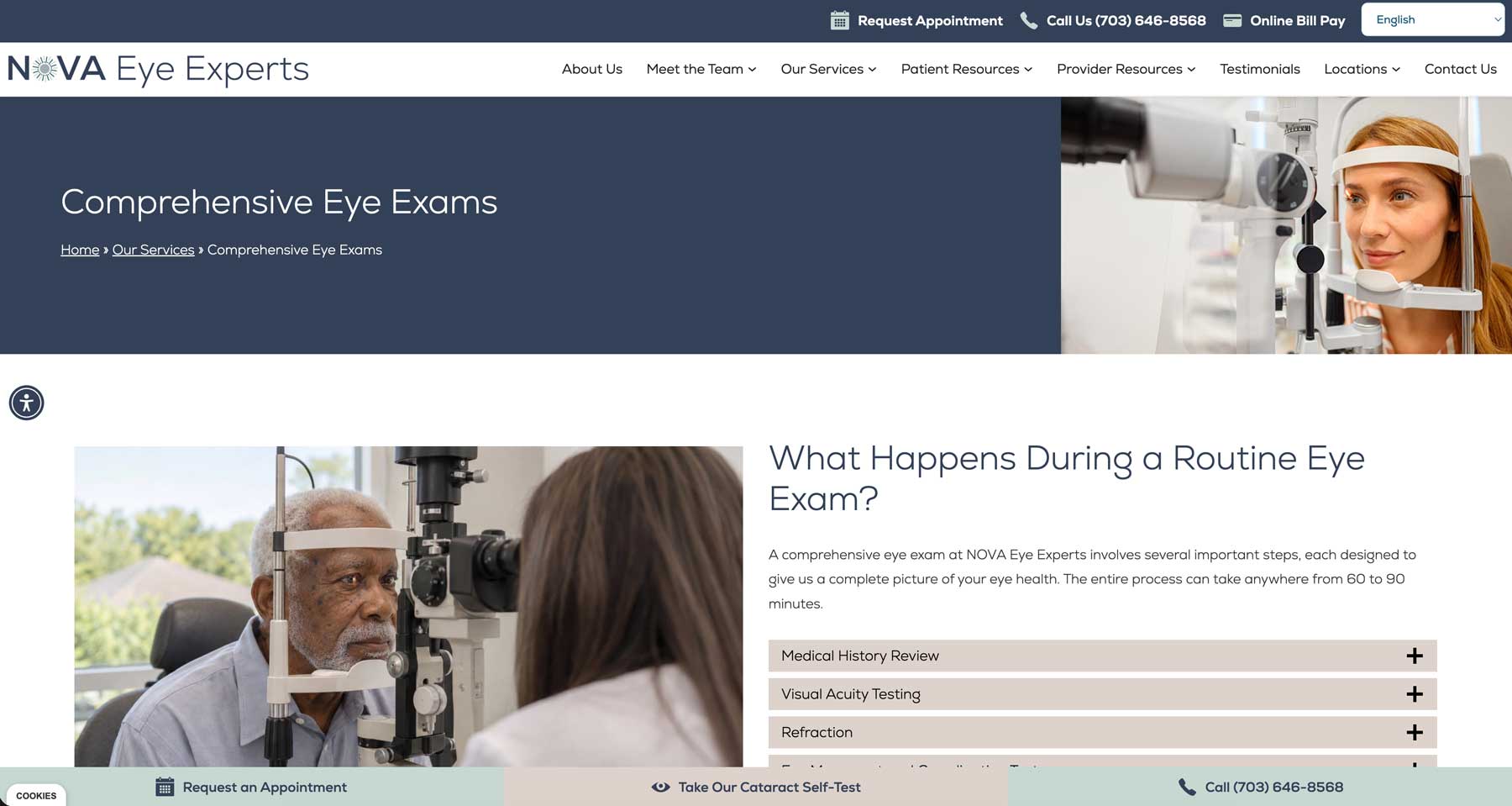
I was SO fortunate that, over time, we built a team of professionals who understood that I needed to be Mom’s “memory” and her caregiver in every situation. They spoke to her kindly, but they also turned to me for the history, the medications, and the “when did this start?” details she simply couldn’t hold onto anymore.
But I won’t sugarcoat it. I also have horror stories. (Sigh.) I’ve sat in exam rooms where the doctor asked Mom question after question and did NOT want my input. It was a nightmare. Mom would get flustered trying to find answers she didn’t have, and I’d sit there biting my tongue. And so much of what they said to her just confused her. The explanations didn’t fit where she was in her dementia journey at all.
So when you call to book, ask a few questions:
- Are you comfortable with a caregiver participating in the appointment and answering history questions?
- Can we book a longer slot, or a time when the office is quieter?
- Is there anything you’d like to know ahead of time about my loved one’s memory or communication needs?
The answers will tell you a LOT.
Start With the Reason for the Visit
Before the appointment, write down what prompted it. Your loved one may not be able to describe a change in their vision, so YOU become the observer. Maybe small print seems harder for them to read, headlights seem to bother them at night, or you’ve noticed them holding a book farther and farther away. Maybe they’ve stopped doing a puzzle or hobby they used to love.
Note when the change began, whether it comes and goes, and whether it seems to affect one eye or both. You do not need to work out what it means; those details simply give the eye care professional a clearer picture of what’s happening day to day.
For a routine visit, jot down the questions you’d regret forgetting. Do their current glasses still work for how they spend their days? Is a concern you’ve noticed worth following up on? Keep the list short enough to actually USE in the exam room.
And please hear me on this... if a symptom is sudden or particularly concerning, seek prompt medical advice rather than waiting for a routine exam. Preparing for a scheduled visit is helpful, but it is not a substitute for timely care.
Know What a Comprehensive Exam May Include (So You Can Prepare THEM)
In general, an eye exam may include a review of health and vision history, vision and eye-pressure tests, an examination of eye structures and pupil dilation. The tests and their order depend on your loved one’s needs and the practice.
Knowing this ahead of time is GOLD for caregivers, because you can gently prepare your loved one in simple, reassuring words. Not a big medical explanation, just something like, “The doctor will ask you to look at some letters, and then shine a little light to check your eyes.”
The familiar eye-chart test checks how clearly someone sees. If a prescription needs assessing, they may look through different lenses and say which makes the letters clearer. (Ah yes, “one or two?” That question alone could send Mom into a tailspin!) If your loved one struggles with letters or with choosing between options, it’s completely fair to ask whether the clinician has other ways to check their vision.
The clinician may also check how the eyes move and work together, measure pressure inside the eyes, and examine structures at the front and back of each eye. Some steps involve answering questions; others involve looking toward a light or into an instrument, which can feel strange or a little scary for someone with dementia.
It’s always okay to ask, “What is this test checking?” or “Can we take a moment?” Your loved one is not there to pass a quiz, and neither are you. Allow plenty of room in your schedule and ask the office beforehand for a realistic time estimate.
Put Together a Small “Bring With You” Folder
You do not need an elaborate binder. (Trust me, I tried the binder phase!) A folder or a note on your phone can hold the essentials, while a small bag keeps the items you actually use together.
The Indiana University School of Optometry recommends bringing your current glasses or contact lenses and a medication list to an appointment. If your loved one has different pairs for reading and distance, bring those too.
Here’s what goes in my caregiver version of the folder:
- Their glasses, contact lenses, and any information you have about their current prescription
- A current list of medications, including over-the-counter products they use
- Brief notes on relevant health conditions (including their dementia diagnosis and stage), past eye problems or procedures, and family eye history
- Your symptom and question list, plus any previous eye records you have
- Insurance information and forms the office asked you to complete
- Any paperwork that shows you’re authorized to help with their care, if the office needs it
Caregiver pro tip for the “lost glasses AGAIN” crowd: snap a photo of their prescription and keep it on your phone. It has saved me more than once!
Don’t worry if you can’t fill in every detail. Start with what you know. And if you share caregiving with siblings or other family members, double-check the medication list together rather than relying on memory. Yours OR theirs!
Image by magnific on Magnific
Plan Around Possible Dilation
Not every eye exam involves dilation, but it’s worth planning for before you leave home. Dilating drops widen the pupils so an eye care professional can examine the inside of the eyes. Afterward, bright light may feel uncomfortable and close-up things can look blurry for a while.
For someone with dementia, that blurriness and light sensitivity can feel extra unsettling. So build in a calm landing afterward. Skip the errands, head straight home, and let them rest somewhere comfortable. The APH ConnectCenter discusses preparing for an eye examination, including whether bringing a companion would be helpful. As caregivers, WE are usually that companion, but if you have to drive, wrangle paperwork, AND keep your loved one calm, a second set of hands can be a lifesaver.
Bring sunglasses for them, even if the morning looks cloudy. If YOU have plans afterward, ask the office in advance how dilation might affect the rest of the day. Everyone reacts differently, so don’t count on a specific time for things to feel normal again. A flexible afternoon is a caregiver’s best friend.
Supporting Your Loved One in the Exam Room
Supporting someone at an eye appointment starts with a questio... “What would you like me to help with?” Depending on where your loved one is, they may be able to answer that clearly... or not. Ask anyway, and honor whatever independence they still have.
Make space for them to describe their own vision and ask their own questions when they can. Even when you’re the one handling the calendar, the memory, and the medications, it’s still THEIR appointment. I always tried to let Mom answer first, then gently filled in the gaps.
If they’d like you in the exam room, agree beforehand on what you’ll bring up and what they’d rather discuss themselves. And if a clinician’s explanation goes over their head, it’s okay to say, “Could you explain that in simpler terms?” or “Can you share the details with me afterward?” You’re not being rude. You’re being their advocate.
Practical help can be wonderfully ordinary. Put their glasses and paperwork by the door the night before. Bring a pen. Pack a familiar snack or a comfort item. Schedule the visit at their best time of day. The everyday demands of caregiving can make appointments feel like one more thing to manage, and a small, agreed-upon plan beats trying to control every moment.
Afterward, check what your loved one understood before adding your own interpretation. If either of you isn’t sure what was said, ask the eye care professional to explain it again. Your notes should support the person receiving care, not replace their voice.
Leave With a Clear Next Step
Before you head out, make sure YOU understand what happened during the exam and what comes next. Because let’s be real, you’re the one who’ll be remembering it!
Ask what the findings mean for their daily activities, whether their glasses prescription is changing, when a follow-up is recommended, and which symptoms should prompt you to call sooner. If a test or treatment is suggested, ask what it’s for and how to prepare. Plain-language answers are ALWAYS worth requesting.
Write down the next step in words you’ll recognize later. “Call to schedule follow-up in 6 months” beats a cryptic abbreviation that’ll be a total mystery by dinnertime. Confirm who to contact if a question pops up later. Then put your notes somewhere you’ll actually find them. (Not the junk drawer. Ask me how I know.)
A Little Grace Goes a Long Way
Caregiver to caregiver: an eye exam does not require a perfect checklist or a perfectly calm morning. Some days Mom walked in smiling, and some days we barely made it out of the car. Both counted as wins.
A little preparation, the RIGHT team of professionals, and a whole lot of patience (for them AND for yourself) can turn an eye appointment from a stressful adventure into just another part of the day.